SkyGuardian
Passive RF Drone Detection for Critical Infrastructure
Real-time detection and classification of unauthorized low-altitude drones at airports, borders, and energy facilities—without active radar emissions.
Proven Capability
MVP complete. Tested in real RF environments. Pilot discussions active with Estonian critical infrastructure operators.
MVP Operational
Functional hardware and software complete. Ready for deployment.
Real-World Validation
Tested in RF environments with controlled drone scenarios.
Active Pilot Discussions
In discussion with Tallinn Airport and Estonian Border Guard for pilot deployments.
How Detection Works
RF Signals → Edge AI Classification → Real-Time Threat Alerts
Step 1: RF Signal Capture
Distributed sensor nodes passively monitor the 433–900 MHz RF spectrum. No active emissions. No radar signature. System remains invisible to drone operators.
Step 2: Edge AI Classification
Machine learning models run directly on edge nodes. Real-time analysis of RF fingerprints. No cloud dependency. Latency < 2 seconds. System continues operating even during network outages.
Step 3: Real-Time Threat Alert
Actionable intelligence delivered instantly to control systems. NATO-compliant SALUTE reports. Location data with confidence scoring. Enables immediate response.
Four Core Differentiators
What makes SkyGuardian fundamentally different from traditional radar and detection systems.
Passive Detection
Zero RF emissions. Completely invisible to drone operators. Unlike active radar, our system cannot be detected or jammed.
Low-Cost Deployment
Fraction of traditional radar cost. Hardware nodes cost €250–€300. Deploy distributed networks for wide-area coverage without million-euro price tags.
Distributed Mesh Network
Scalable from 3 nodes to 300+. to expand coverage. Decentralized architecture ensures no single point of failure. Works in dense urban and remote environments.
Edge AI Processing
On-device machine learning.No cloud dependency. Sub-2-second latency. Operates during network outages. Performance improves over time with localized data refinement.
Primary Application: Critical Infrastructure & Border Security
Designed specifically for high-value assets vulnerable to low-altitude drone threats.
Airports
Real-time detection of unauthorized drones in approach corridors and runway perimeters.
Border Control
Wide-area coverage of international borders. Detects smuggling and reconnaissance drones.
Energy Infrastructure
Power plants, substations, and transmission lines protected from aerial surveillance and attacks.
Ports & Maritime
Detection of drones over port facilities and coastal critical infrastructure.
Why Traditional Radar Fails
The Problem: 90% of critical infrastructure lacks effective low-altitude drone detection. Traditional radar systems are expensive (€5–10M+), emit detectable signals, struggle with slow/small targets, and take months to deploy.
The Reality: As commercial drone adoption accelerates, unauthorized drones represent a growing security threat. Infrastructure operators and border authorities need scalable, cost-efficient, real-time detection solutions—not expensive, static radar systems.
SkyGuardian vs. Traditional Systems
Security & RF Technology Insights
Latest updates on drone threats and critical infrastructure protection.
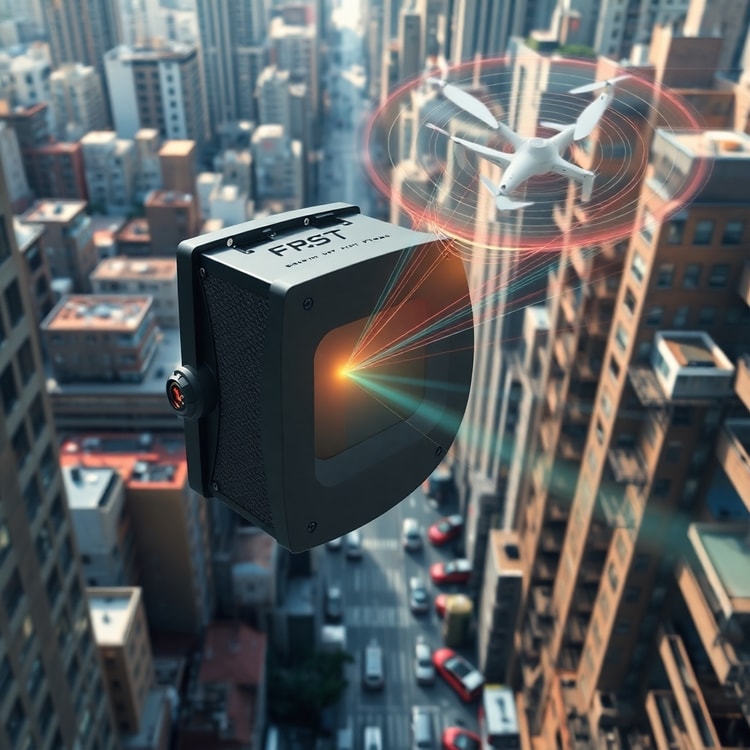
Optimizing SkyGuardian's Passive RF Sensing for Drone Detection in Urban Canyon Environments: A Deep Dive into Frequency Selective Surface Design
Hava Korsanlarının Kentleşmiş Çukur Ortamlardaki Algılanması için SkyGuardian'ın Pasif RF Dedeksiyonunun İyileştirilmesi: Frekans Seçici Yüzey Tasarımı Hakkında Derin Bir İnceleme
SkyGuardiani passiivse RF-tuvastamise optimeerimine droonide tuvastamiseks linnalises kanjonikeskkonnas: sagedusvalikulise pinna disaini üksikasjalik ülevaade
Understanding the complexities of urban canyon environments on RF signal propagation and drone detec...
Kentleşmiş çukur ortamlarının RF sinyal yayılımı ve.drone algılama üzerindeki karmaşıklıklarını anla...
Linnalise kanjonikeskkonna mõju RF-signaali levimisele ja droonide tuvastamisele, ning kuidas SkyGua...
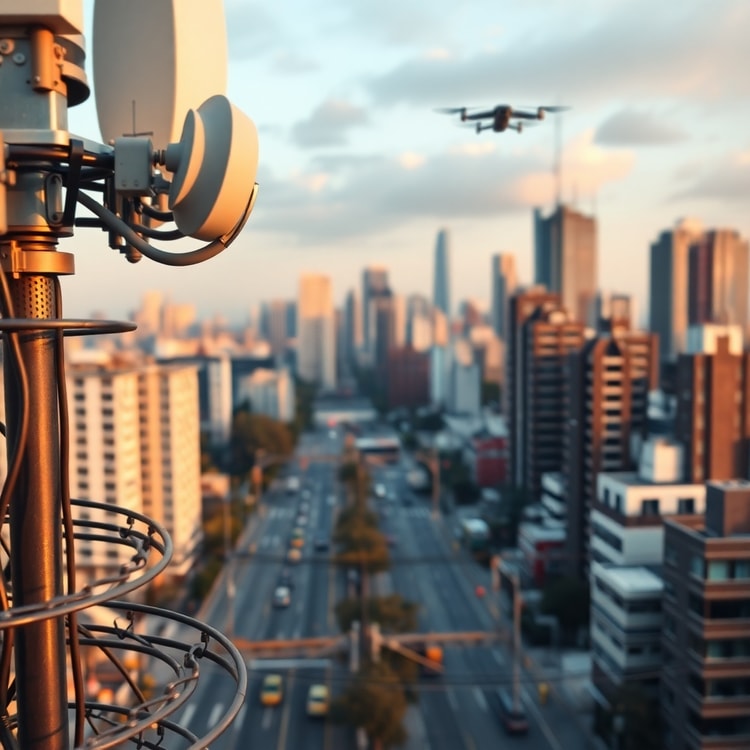
Decoding the Spectral Signature of Drone Transceivers: A Deep Dive into SkyGuardian's RF Fingerprinting Capabilities
İnsansız Hava Aracı Alıcı-Vericilerinin Spektral İmzasını Çözme: SkyGuardian'ın RF Parmak İzleme Yeteneklerine Derin Bir Bakış
Piloodita Lennuki Saatja-Vastuvõtjate Spektralne Allkiri: SkyGuardian'i RF Sõrmejälje Tunneks Olemise Sügav Uurimine
Discover how SkyGuardian's RF fingerprinting technology can identify and classify drone transceivers...
SkyGuardian'ın RF parmak izleme teknolojisini nasıl insansız hava aracı alıcı-vericilerini tanıtabil...
Avastage, kuidas SkyGuardian'i RF sõrmejälje tunneks olemine võib tuvastada ja klassifitseerida pilo...

Mitigating the Impact of RF Interference on Drone Detection Systems: A Deep Dive into Adaptive Filter Design
İHA Dedektörlü Sistemlerde RF Girişiminin Etkisini Azaltma: Uyarlanabilir Filtre Tasarımı Hakkında Derin Bir İnceleme
RF interferentsi mõju vähendamine droonide tuvastussüsteemides: sügav ülevaade adapteeruvast filtreerimisest
RF interference can significantly degrade the performance of drone detection systems. This article e...
RF girişimi, İHA dedektörlü sistemlerin performansını önemli ölçüde azaltabilir. Bu makale, RF giriş...
RF interferents on droonide tuvastussüsteemide tundlikult mõjutab nende tööd. See artikkel käsitleb...
Secure Your Critical Infrastructure
Discover how our deep-tech detection system can be deployed to protect your facilities.
Request a System Demo
See how the edge-AI classification works in real-time.
Discuss Pilot Deployment
Contact our engineering team to discuss technical requirements.
Request a System Demo
See how the edge-AI classification works in real-time.
Discuss Pilot Deployment
Contact our engineering team to discuss technical requirements.